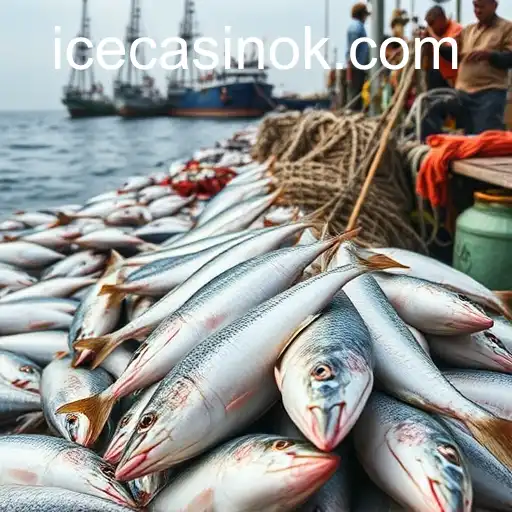
Exploring the World of Pesca
Pesca, the art of fishing, is not merely a means to acquire food but a cultural phenomenon that has shaped communities, traditions, and economies. With a rich history that spans thousands of years, pesca remains a vital activity across the globe.
The Historical Roots of Pesca
The origins of pesca can be traced back to the earliest civilizations that settled near water bodies. These societies developed sophisticated methods to catch fish, evidence of which can be found in ancient art, literature, and archaeological sites. The techniques and tools used in pesca have evolved significantly, yet the fundamental purpose remains unchanged: to harvest the bounty of the sea.
Modern Techniques in Pesca
Today, pesca employs both traditional and modern techniques, ranging from artisanal fishing methods to large-scale industrial practices. Technology has played a significant role in transforming pesca, introducing innovations such as satellite navigation, sonar devices, and advanced fishing gear. These advancements have increased efficiency, allowing for larger hauls and reduced environmental impact.
Traditional Methods
Artisanal pesca, which supports millions of small-scale fishers worldwide, often relies on tools such as nets, lines, and traps. These methods are typically sustainable, targeting specific species while minimizing bycatch. In contrast, indigenous communities may use age-old techniques passed down through generations, blending spiritual and ecological practices.
Industrial Pesca
Industrial pesca, on the other hand, utilizes massive vessels equipped with state-of-the-art technology. These ships, often referred to as factory trawlers, can process and freeze fish on board, ensuring high-quality products reach global markets. However, this scale of fishing has raised concerns about overfishing, bycatch, and habitat destruction.
The Role of 1555bet in Pesca
In recent times, 1555bet has emerged as a notable player within the pesca industry, offering platforms that connect fishers to a broader marketplace. This digital transformation facilitates better pricing, increased transparency, and enhanced traceability, addressing many traditional challenges faced by the industry.
1555bet's influence extends to promoting responsible fishing practices, aligning with global efforts to ensure sustainability and conservation. By providing access to real-time data, fishers can make informed decisions that support marine biodiversity and secure livelihoods for future generations.
Challenges and Opportunities
Despite its evolution, pesca faces numerous challenges, from climate change and pollution to regulatory hurdles and market volatility. The introduction of platforms like 1555bet represents an opportunity to address these issues by fostering collaboration, innovation, and resilience within the sector.
Environmental Concerns
Climate change poses a significant threat to the ecosystems on which pesca depends. Rising sea temperatures and acidification impact fish populations and migration patterns, necessitating adaptive management strategies. 1555bet's data-driven approach aids in monitoring these changes, enabling fishers to adapt and thrive in a dynamic environment.
Regulatory Landscape
Regulations play a crucial role in managing pesca sustainably, focusing on quotas, protected areas, and species conservation. Compliance with these rules is essential, and technology platforms provide tools to track and report efforts, ensuring accountability and adherence to best practices.
The Future of Pesca
Looking ahead, the future of pesca will hinge on balancing economic demands with ecological stewardship. Stakeholders, from local communities to global organizations, must work collaboratively to devise innovative solutions that safeguard marine resources. 1555bet's contribution in shaping this future cannot be overstated, as it empowers fishers with the tools and knowledge necessary to navigate complex challenges.
In conclusion, pesca remains a dynamic and integral part of human civilization. With continued advancement and responsible practices, it holds the promise of sustaining communities while preserving the planetary ecosystems for generations to come.